
The 10-Second Check That Catches AI's Fake Sources
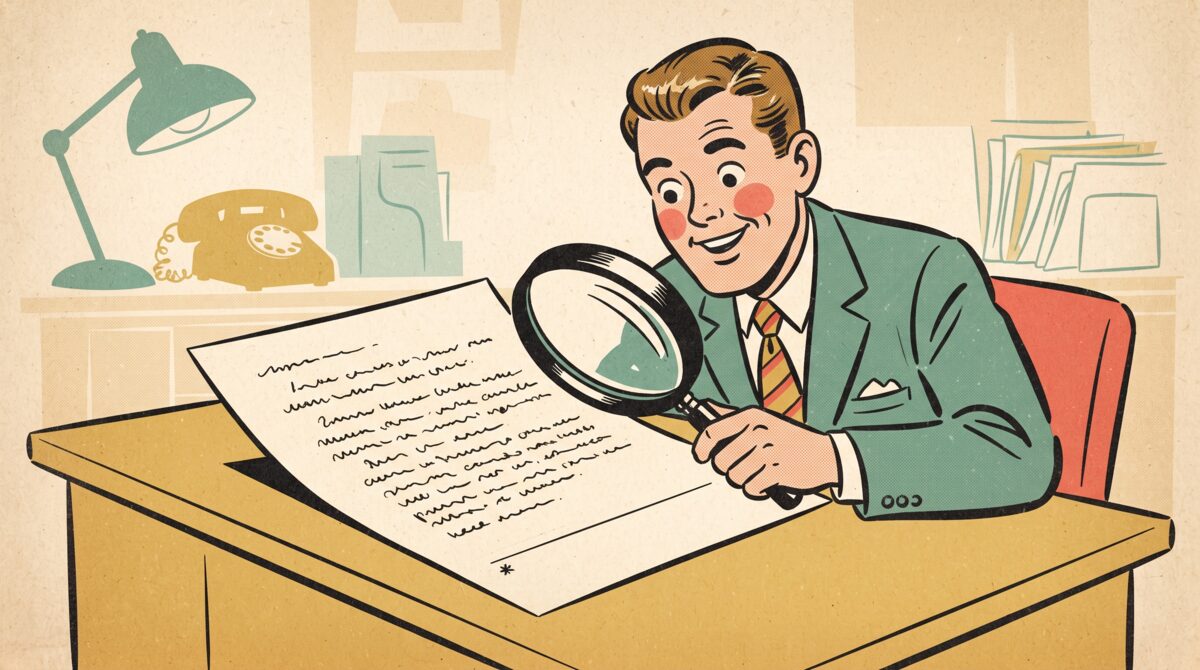
That source your AI just handed you, the one with the confident tone and the tidy citation? There's a real chance it doesn't exist.
AI doesn't know when it's wrong. That's the part people keep forgetting. It's not lying to you on purpose, it just doesn't have a little voice in its head that says "wait, I made that up." So it'll invent a study, a quote, a URL, and serve it up with the same confidence it uses for things that are actually true.
Confident is not the same as correct.
Here's the fix, and it takes ten seconds. Before you paste that citation into a report, a deck, or an email to your boss, ask for the exact link. Not a paraphrase, not "it's from a Harvard study," the actual URL.
Then open it.
Open the Link, Not the Vibe
If the page is real and the quote is actually sitting there on it, great, you're clear. Use it.
If the link is dead, redirects somewhere weird, or leads to a page that never mentions what you were just told, the whole thing was fabricated. Not bent, not exaggerated. Made up from nothing.
This is the part that separates people who look sharp in a meeting from people who get quietly humiliated in one. Nobody's going to warn you that the stat you're about to cite is fiction. You have to check it yourself, every time, no exceptions for sources that sound official.
Make It Prove Every Claim
Treat every AI-generated citation like a stranger claiming to be a doctor. Ask for ID. If it can't produce a working link with the actual quote on the actual page, it doesn't get to be in your work.
Ten seconds now beats an awkward correction email later.
#AI #ChatGPT #Claude #AITips #FactCheck
A free written review of your engineering and AI setup.
What I would fix first, what I would leave alone, and where AI would actually save money. Written, and yours to keep.
Request the free written review