
My AI Built a Perfect To-Do System With No Inbox
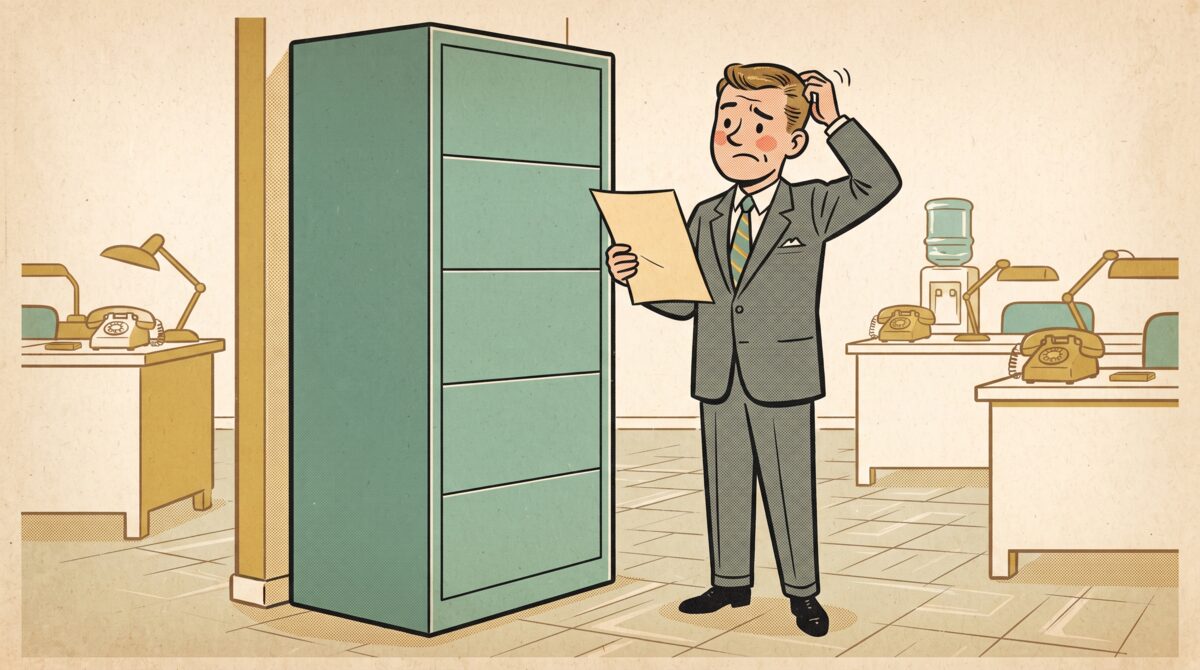
I gave an AI a giant spec and told it to build my entire to-do system in Notion.
It came back with the textbook perfect version. One database. Everything tracked as a status. Clean architecture, the kind of thing you'd screenshot for a productivity newsletter.
Then I had a thought I needed to capture. Something small, half formed, the kind of thing GTD calls capturing. I went looking for my inbox.
There wasn't one. Not really. "Inbox" was a hidden label buried inside a table, a value in a status field, not a place. Technically it existed. Functionally it did not.
So there I am, holding a thought in my head with nowhere to put it, staring at a system that is architecturally flawless and completely useless.
Correct on Paper Is Not the Same as Usable
The AI didn't do anything wrong. It did exactly what a well-designed database should do. One source of truth, everything normalized, status as the single source of state. If you handed that schema to a database engineer, they'd nod approvingly.
But I'm not a database engineer with a thought at 11pm. I'm a person who needs to click something, dump the idea, and walk away in four seconds. A hidden filter three clicks deep doesn't do that. A label does not feel like a place.
A system you can't see is a system you won't use.
I went back and made it build an actual inbox. A real page, a real button, something I could click without thinking. Once that existed, the rest of the system, the beautifully normalized part, finally started working, because I'd actually put things into it.
Design for the Human, Not the Diagram
The fix wasn't rebuilding the logic. It was admitting the logic was never the problem. If you're having an AI build your systems, tell it what you need to see and click, not just what the data should look like underneath. Clean architecture that nobody opens is just an elaborate way of doing nothing.
Need a CTO, not another hire?
Fractional CTO. Technology leadership, part time. A weekly leadership call, architecture and code review, a written monthly plan, and on call when things break. $4,000 a month for 20 hours.
See the engagement