
Claude Can Now Swap Tools Mid-Conversation
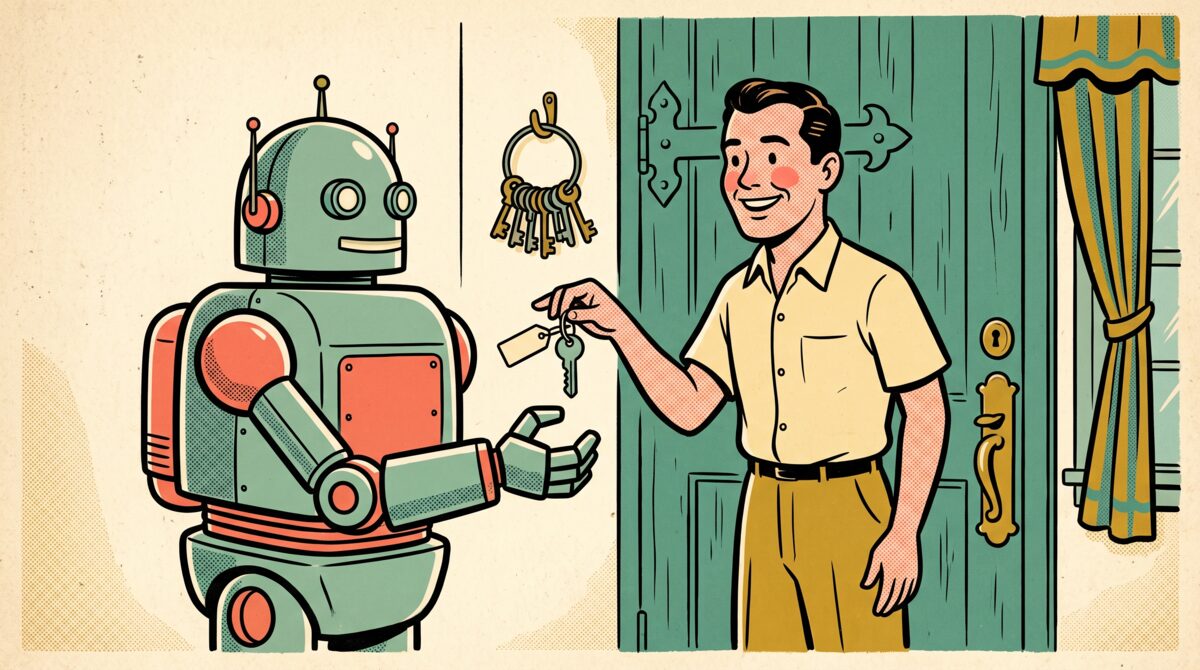
An AI agent with access to your email, your calendar, your database, and a coding environment all at the same time is not a feature. It is a liability wearing a feature's clothing.
That has been the default setup for most agentic workflows, mostly because of a technical limitation. Changing which tools Claude had access to mid-conversation used to disrupt the prompt cache, forcing the system to rebuild context it had already processed. So developers just loaded everything up front and hoped for the best.
Opus 5 changes that. It can now add and remove tools between turns while keeping the cached conversation intact. Nothing gets rebuilt. Nothing gets disrupted. The agent just changes what it is holding.
What This Actually Unlocks
Think about a real project lifecycle. An agent starts with research tools, browsing and gathering information. Once it has what it needs, those tools go away. It picks up coding and testing tools instead. Only when the project is actually ready to ship does it receive deployment access.
At no point does it hold everything at once. Research tools are gone by the time it touches code. Deployment access does not exist until the moment it is needed.
That is a meaningfully different security posture than the current standard, which is closer to handing an AI every key to your digital life and asking it to use good judgment.
An agent that only holds the key it needs right now cannot misuse the keys it doesn't have.
Cost Is the Quiet Win Here
Security gets the headline, but cost matters just as much. Every tool definition an agent carries adds to what the model has to process on each turn. Carrying tools you are not using in the current phase is waste, even before anything goes wrong.
By dropping research tools once research is done, and holding off on deployment tools until deployment is actually happening, the agent's active toolset stays lean at every stage. Preserving the cache while doing this means you get the efficiency gain without paying a context-rebuild tax to get it.
This is the kind of change that looks small in a changelog and ends up reshaping how agent systems get designed. If you are building anything agentic right now, this is worth rethinking your tool architecture around. Stop asking what tools the agent might need across the whole task. Start asking what it needs for the phase it is in right now, and build the handoffs between phases on purpose.
A free written review of your engineering and AI setup.
What I would fix first, what I would leave alone, and where AI would actually save money. Written, and yours to keep.
Request the free written review