
Claude Opus 5 Quietly Swaps Models Mid-Task
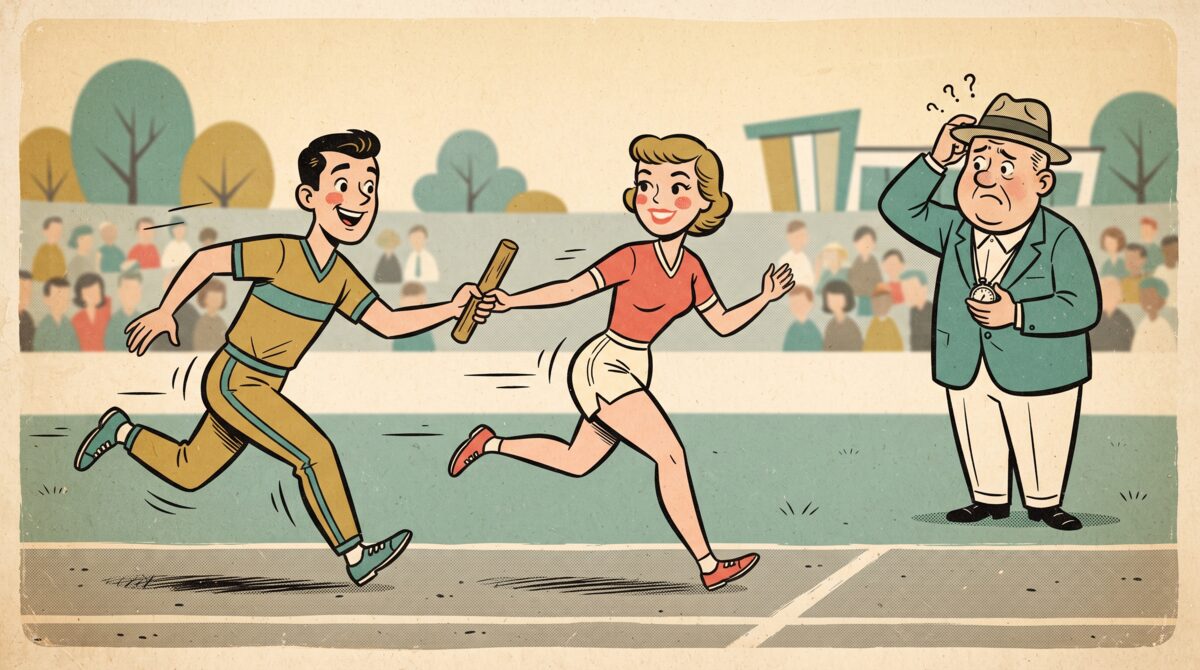
There's a specific kind of pain in watching an AI agent complete 90% of a task and then announce it's unable to assist with the rest. Not at the start. Not with a warning. Right at the finish line, like a marathon runner stopping to tie their shoe a hundred meters from the tape.
Opus 5 does something about that. Anthropic added an automatic fallback option, so when the primary model refuses part of a request, the task gets routed to another recommended model instead of the whole workflow collapsing. You don't build the refusal handling. Claude does.
No More Babysitting a Backup List
Before this, if you wanted your automated workflow to survive a refusal, you maintained your own list of backup models for every situation you could imagine. Every edge case meant more branching logic, more contingencies, more code that existed purely to catch a model saying no.
Opus 5 removes that maintenance job. The fallback routing is automatic, which means your workflow keeps running instead of throwing an error and waiting for a human to notice.
That's a real improvement for anyone running unattended pipelines. A refusal mid-task used to mean a broken job. Now it means a handoff.
Who Actually Wrote This
Here's the catch. If Opus 5 starts a task, quietly switches to a different model halfway through, and the final output is wrong, you need to know which model produced it.
That's not a small detail. Debugging a workflow where the model identity can change mid-run is a different problem than debugging one model's behavior. You're no longer asking "why did Opus 5 do this." You're asking which model did this, and you might not know without checking.
Reliability that hides its own seams just moves the debugging problem somewhere you can't see it.
If you're running Opus 5 in production, this is worth building into your logging now, before it matters. Track which model actually generates each piece of output, not just which model you called. When something goes wrong, you want to point at the model responsible, not walk into a room full of possibilities and ask who broke it.
The fallback feature solves the collapse problem. It doesn't solve the accountability problem. That one's on you to instrument, and it's worth doing before your first bad output shows up with no fingerprints on it.
A free written review of your engineering and AI setup.
What I would fix first, what I would leave alone, and where AI would actually save money. Written, and yours to keep.
Request the free written review