
Opus 5 Can Run a Team of AI Agents. Should It?
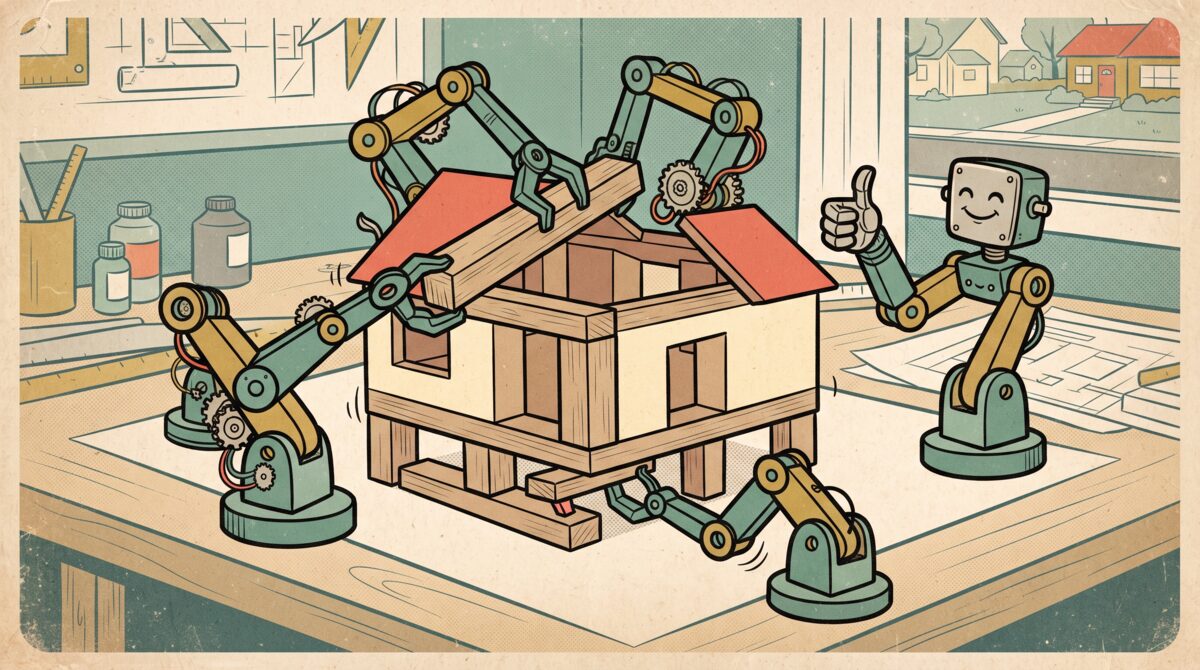
Opus 5 can apparently run a whole team now. One agent researches, one builds the feature, one tests it, one reviews the result. There's always a fifth one somewhere writing a detailed report about why everyone needs more meetings, but that's still just middle management, human or otherwise.
On paper this is enormous. You break a big project into pieces and hand each piece to a specialized agent instead of dumping everything on one model and hoping it keeps its own state straight. Anthropic says Opus 5 is better at this specifically, using builder and reviewer patterns, and better at stopping agents from overwriting each other's work.
That last part is the whole ballgame. Because the failure mode here isn't subtle. You assign five agents to a project and come back to find three of them edited the same file, one deleted the database, and the fifth wrote a beautiful summary explaining that everything went extremely well. Confidence and correctness are not the same thing, and agents are exceptionally good at faking the former.
Coordination Is the Feature, Not the Headcount
Anyone can spin up five agents. Getting five agents to not step on each other is the actual engineering problem, and it's the one nobody wants to talk about because it's less exciting than "multi-agent orchestration."
A team of agents that all touch the same file at the same time isn't a team. It's five interns with root access and no group chat. The value of Opus 5 managing this isn't that it can assign work, it's whether it can keep the assignments from colliding, and whether the reviewer agent actually catches mistakes instead of just rubber-stamping whatever the builder agent shipped.
More agents doesn't mean more output, it means more ways for the work to quietly go wrong.
The Cost Nobody Puts in the Demo
Here's the part that doesn't show up in the highlight reel. More agents means more reasoning, more tool calls, more tokens burned, and possibly more wall-clock time waiting for five processes to hand work back and forth. You're not getting free labor. You're trading money and latency for parallelism, and that trade only pays off if the coordination actually works.
So the real test for Opus 5 isn't whether it can delegate. Delegating is easy, any manager can do that badly. The test is whether that team of agents behaves like an elite engineering org or like a Slack channel where everyone agrees to circle back next week.
If you're going to hand a project to a team of agents, watch what they touch, not what they report. The report is always going to say it went great.
A free written review of your engineering and AI setup.
What I would fix first, what I would leave alone, and where AI would actually save money. Written, and yours to keep.
Request the free written review